
Beyond Code: How Empathy Drives System Excellence
Sebastian Perez - 11/21/2025
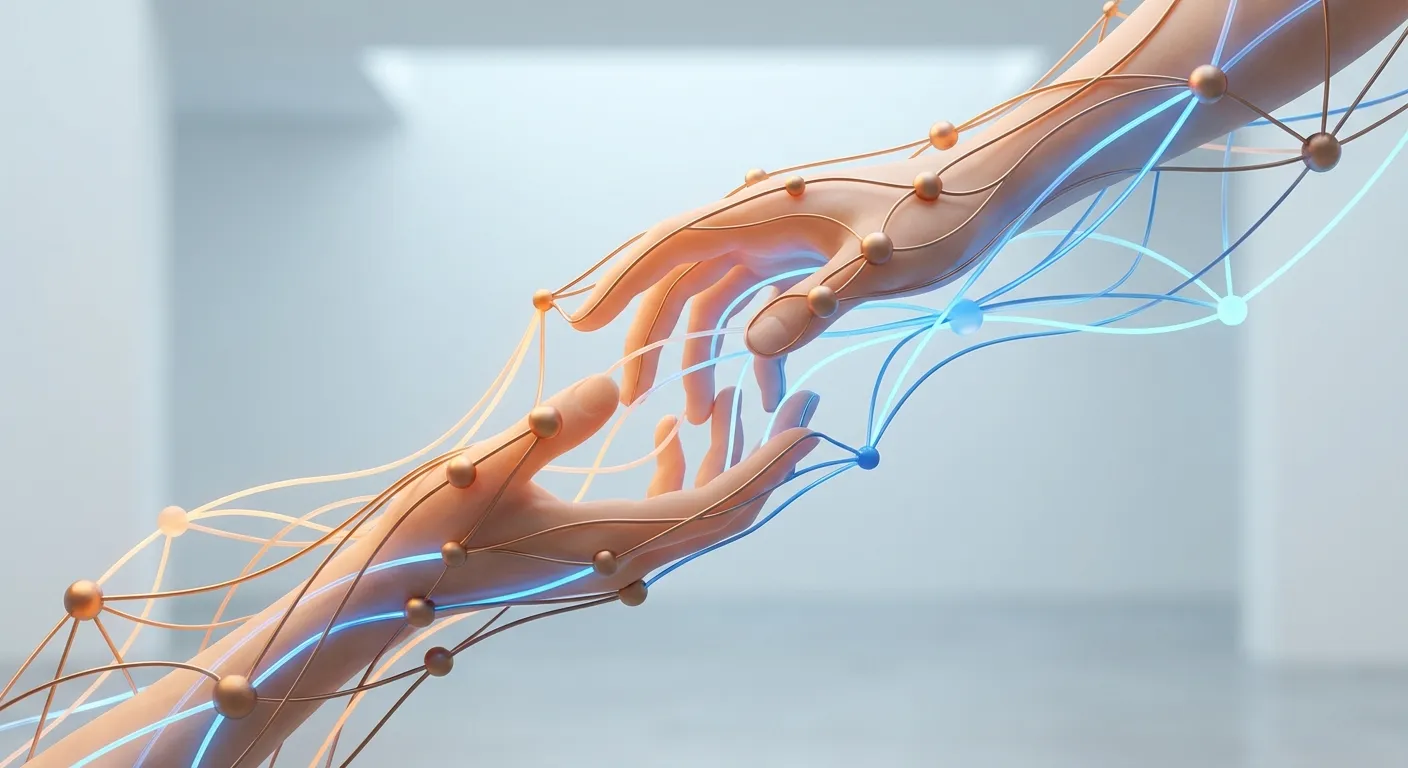
There is a persistent myth in our industry: the image of the “10x engineer” as a solitary genius, a cold logician who communes with the machine in a language of pure abstraction.
This image is not just outdated; it is actively harmful.
The truth is that the most robust, scalable, and successful systems are not born from raw computational power alone. They are born from empathy.
Great systems feel human because they were designed by architects who understand that every interface, every API, and every database schema is ultimately a service to a human being. To build truly great software, we must practice radical empathy for all our users—and that means applying it at every level of the stack, from the pixel to the disk.
The 360-Degree User
When we talk about “User Experience” (UX), we typically mean the end-user. But an empathetic architect expands the definition of “user” to include anyone who interacts with the system’s inputs, outputs, or business value.
1. The End-User: Empathy as Respect
For the customer, empathy is about respect. A non-empathetic system treats user errors as failures of intelligence. It barks “Invalid Input” or crashes without saving.
An empathetic system anticipates the user’s context. It understands that the user might be stressed, in a hurry, or distracted. It forgives mistakes, protects data, and respects their time. When an architect puts themselves in the shoes of a frustrated user, they don’t just build a “friendly” UI; they build a resilient system that honors the user’s humanity.
2. The Developer: Empathy as Maintainability
Code is written once but read a thousand times. The “users” of your codebase are your teammates and your future self.
Lack of empathy looks like “clever” one-liners that no one else can decipher. Empathy looks like clear documentation, meaningful variable names, and structured logging. It is the difference between a codebase that is a minefield and one that is a community garden—sustainable, welcoming, and easy to nurture.
3. The Executive: Empathy as Business Intelligence
This is the most overlooked category. Executives are users too, but their “task” is high-stakes decision-making.
- The Non-Empathetic Approach: Sending a raw SQL dump of server logs when asked “Is the site stable?”
- The Empathetic Approach: Designing a dashboard that answers “Are we healthy?” in five seconds.
Treating executives as users means understanding their constraints. They don’t need to know how the sausage is made; they need to know if it’s safe to eat. An empathetic architect abstracts complexity to provide clarity, brevity, and actionable insights.
Full-Stack Empathy: From UI to Database
Empathy isn’t just a UI layer; it must permeate the entire architecture.
- In the Database: An empathetic architect designs schemas not just for storage efficiency, but for retrieval reality. They ask, “How will the business need to query this in a year?” They anticipate the reports the CFO will ask for and structure the data so those queries are fast and accurate, rather than forcing a junior dev to write a slow, complex join later.
- In the API: An empathetic API doesn’t just expose data; it guides the consumer. It provides helpful error messages (“You missed field X”) rather than generic 500 errors. It anticipates how the frontend developer will need to batch requests to keep the UI snappy.
- In the Background: Empathy is the background job that retries a failed payment automatically so the user doesn’t lose their subscription. It is the system that auto-scales before the marketing email goes out, because the architect empathized with the marketing team’s need for a successful launch.
The Anticipatory Architect: Seeing the Bigger Picture
Perhaps the greatest superpower of the empathetic architect is anticipation.
Because they understand the goals of the business, the needs of the user, and the constraints of the developer, they can see connections that others miss. They don’t just build what is asked for; they build what is needed.
Consider an enterprise system for a logistics company.
- The Request: “We need a form to enter shipping data.”
- The Empathetic Insight: The architect realizes that the people entering this data are working in a warehouse with poor internet connectivity.
- The Anticipated Feature: Without being asked, the architect designs an “Offline Mode” with local syncing.
Or consider a compliance requirement.
- The Request: “Store these transaction records.”
- The Empathetic Insight: The architect knows the legal team will eventually need to audit this.
- The Anticipated Feature: They design an immutable audit log from day one, turning a potential future nightmare into a trivial query.
This is where empathy drives system design in ways that pure logic cannot. By simulating the lived experience of every stakeholder, the architect reveals hidden requirements and opportunities. They design features that seem “magical” to the user but are simply the result of deeply understanding the human context of the software.
Conclusion
Empathy is not a “nice-to-have” sprinkle on top of the engineering cake. It is the structural steel that holds the building up.
When you design with empathy, you get a system that is loved by customers, maintainable by developers, and valuable to the business. You move beyond writing code to building solutions.
So, the next time you design a system, ask yourself: Who is on the other side of this? Put yourself in their shoes—whether they are clicking a button, debugging a stack trace, or reading a quarterly report. Build for them. That is the work of a great architect.