
Why User Experience Matters: From Field Operators to Developers
Sebastian Perez - 10/28/2025
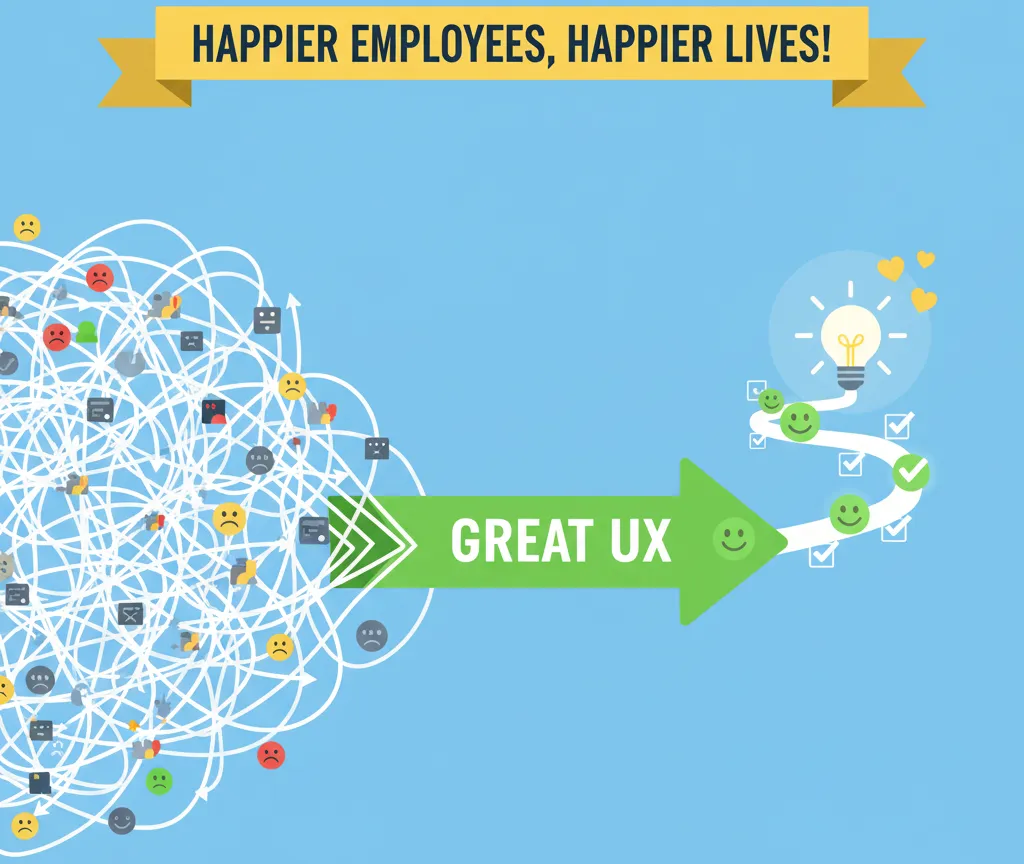
The Hidden Cost of Poor User Experience
We often think about user experience in terms of customer satisfaction, but what about the people who use your systems every single day? Your employees—whether they’re field operators checking equipment, HR managers processing payroll, AP clerks managing invoices, or software developers maintaining code—spend hours interacting with the tools and systems you provide them.
When those systems don’t make sense, when they’re clunky, unintuitive, or frustrating to use, the impact goes far beyond a few extra clicks. Poor user experience creates a ripple effect that touches every aspect of your organization: decreased productivity, increased errors, mounting frustration, and ultimately, unhappy employees leading unhappier lives.
The Power of Intuitive Systems
Think about the last time you used a tool that just worked. Where buttons were exactly where you expected them to be. Where the next step was obvious. Where you didn’t need to reference a manual or ask for help. That feeling of flow, of effortless completion—that’s what good user experience delivers.
When your employees interact with well-designed systems, work becomes enjoyable rather than a chore. A field operator can quickly log readings on a mobile app without fumbling through confusing menus. An HR manager can process new hires efficiently without wrestling with a Byzantine interface. An AP clerk can reconcile invoices without the constant anxiety of making an error due to unclear workflows.
This matters because work is life. We spend a significant portion of our waking hours working. When that time is filled with frustration and friction, it doesn’t stay contained to the office—it spills over into everything else. Conversely, when work flows smoothly, when your tools empower rather than hinder you, you have more energy for the things that matter: innovation, creativity, relationships, life outside of work.
From Frustration to Flow: The Productivity Connection
The mathematics of user experience are simple but profound:
Intuitive systems → Reduced cognitive load → Faster task completion → Fewer errors → Less rework → More time for valuable work
But it goes even deeper. When employees aren’t fighting their tools, they can enter a state of flow—that productive, fulfilling state where work feels natural and engaging. They make better decisions because they’re not mentally exhausted from navigating poor interfaces. They’re more likely to use features that could help them because those features are discoverable and obvious. They’re less likely to create workarounds that introduce risk and inconsistency.
The result? Measurably higher productivity, yes—but also something more valuable: employees who feel respected, capable, and fulfilled by their work.
The Uxeed Philosophy: UX for Everyone, Everything
At Uxeed, user experience isn’t an afterthought or a nice-to-have—it’s woven into the fabric of everything we create. We don’t just think about UX when designing customer-facing applications. We obsess over it for everyone who will interact with what we build.
For field operators, we design mobile interfaces that work with gloves on, in bright sunlight, with clear visual hierarchies that make sense even when you’re standing on a drilling rig at 6 AM.
For HR managers and AP clerks, we create workflows that match how they actually think about their work, not how a database schema happens to be organized. Every form, every button, every notification is placed with intention.
For software developers (including future developers who will maintain the code), we write clean, self-documenting code with intuitive APIs and clear abstractions. Because code is an interface too—one that humans must read, understand, and modify.
Whether we’re building a web application, a mobile app, or a software library, our question is always the same: How will this be used, and how can we make that experience effortless?
We believe that technology should enhance human capability, not demand that humans adapt to poorly designed systems. This means:
- Self-explanatory interfaces where the right action is obvious
- Consistent patterns that build on existing mental models
- Clear feedback so users always know what’s happening
- Forgiving systems that prevent errors before they happen and gracefully handle mistakes when they do
- Accessible design that works for everyone, regardless of ability or context
The Bottom Line: Better Experience, Better Business
When you invest in user experience for your employees, you’re not just being nice—you’re making a strategic business decision. Happy employees who work with good tools are more productive, make fewer mistakes, stay longer, and contribute more to your organization’s success.
But more than that, you’re recognizing a fundamental truth: the people who use your systems are human beings with lives, goals, and a desire to do meaningful work. When you give them tools that respect their time and intelligence, you’re telling them they matter.
At Uxeed, we’re committed to creating that experience—every single time, for every single user, no matter who they are or what they’re trying to accomplish. Because we believe that better tools lead to better work, and better work leads to better lives.
That’s not just our philosophy. That’s our promise.